The knife in your inventory might be part of a 'multi-billion dollar market'.
“How much would it be if we added up the value of all the skins in players’ inventories worldwide?”
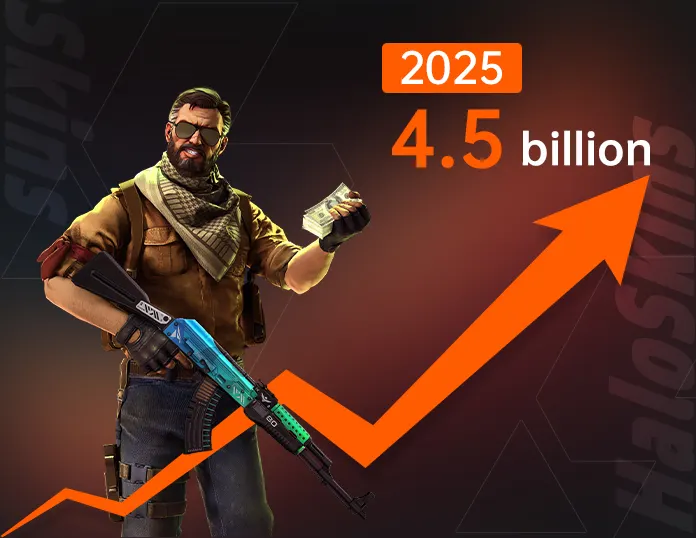
Answer: :A few years ago, it was already in the billions of dollars. By 2024–2025, reports repeatedly noted that the value exceeded $4.5–5.5 billion (with slight differences depending on methodology). One widely cited article stated that in 2024, the total value of CS2 skins surpassed $4.3 billion for the first time. In April 2025, another report said the market cap reached $4.5 billion. After July 2025 Steam Trading Rules update marked dropped only to grow over $5.5 billion in a few weeks.
In stocks, “market capitalization” is share price × number of shares. In CS:GO/CS2, “Market Cap” can be understood as the total estimated market value of all tradable in-game skins, stickers, and items. It is not an official figure but rather an aggregated valuation estimated by trading platforms, price trackers, and media.
- It reflects players’ real demand and willingness to pay for skins.
- It partly illustrates the cultural and esports impact of CS and its longevity.
- For players, it helps with timing trades and sensing price trends.
How is Market Cap “estimated”? (Simplified)
- Collecting prices and listings across platforms (Steam Community Market + third-party sites)
- Considering stock/float counts (varies by skin rarity and appearance)
- Summing up “all items × price” to get a rough estimate
Note:
- This is an estimation. Numbers vary by platform, listings, and exchange rates.
- Market sentiment, updates, and esports hype all affect these values.
Why are skins worth so much?
- Rarity & randomness: Some skins have extremely low drop rates (e.g., “red skins”). Rare finishes like sapphire/ruby knives or unique Case Hardened blue patterns (such as Karambit Case Hardened #387 “Blue Gem”) have been valued up to $1.5 million (with real sales over $120,000 reported).
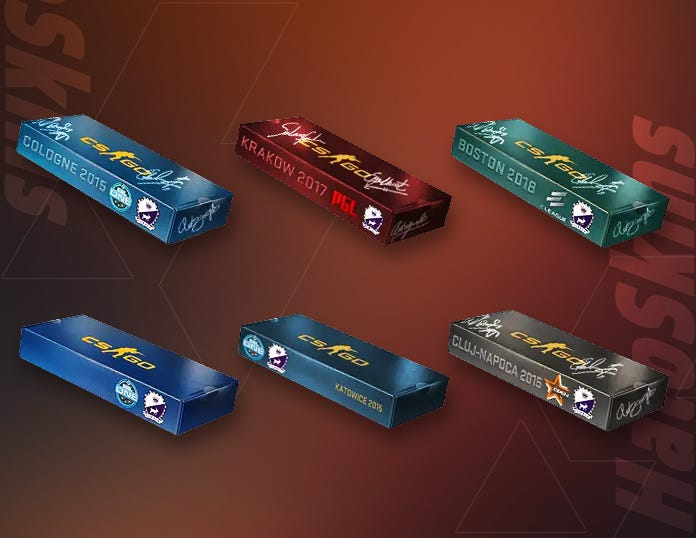
- Limited supply/retired cases: Old cases being removed and discontinued collections (e.g., Cobblestone) drive scarcity.
- Cultural influence: Used by pro players on stage or popularized by streamers, prices can spike quickly.
- Condition & customization: Wear levels, sticker combos, and Souvenir editions make a huge difference in price.
Trading Ecosystem (Quick Comparison)
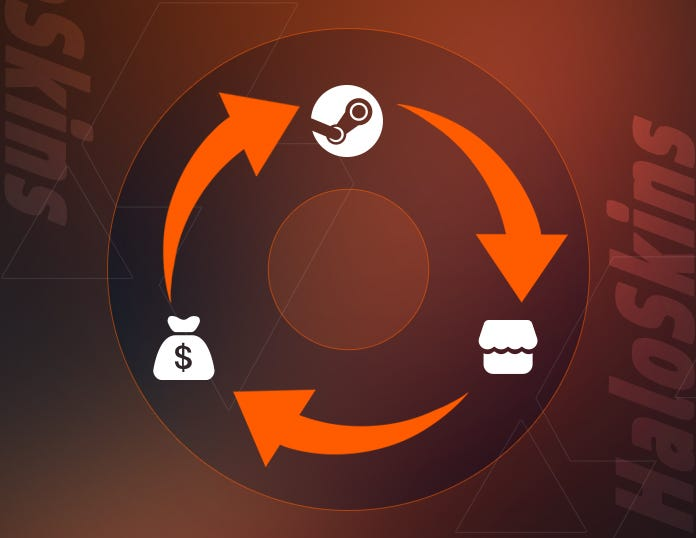
- Steam Community Market: Official, convenient, safe; but no direct fiat withdrawal.
- Third-party platforms: Higher liquidity and usually allow withdrawals, but beware of scams, contract risks, and compliance with Steam rules.
- Core safety principles: Secure accounts with Steam Guard/mobile authenticator, use 2FA, avoid fake “middlemen,” and never click suspicious links.
Why do prices fluctuate so much?
- Tournaments: During Majors, related stickers and Souvenir items often spike in demand.
- Updates & content releases: New cases or rumors of old collections returning can swing the market.
- Macro sentiment: Media often compares “CS2 skins vs. stocks/Bitcoin/gold,” influencing hype and speculation.
Impact of CS2 on Skins: Continuity & Renewal
When CS2 launched, Valve allowed CS:GO items to transfer seamlessly, protecting player assets and ensuring market continuity. Meanwhile, CS2’s updated graphics and lighting made many old skins look even better, further fueling demand.
Three Tips to Avoid Pitfalls
- Spend within your means: Treat skins as entertainment first, then as collectibles or potential investments.
- Look at long-term appeal: Focus on classic designs, historical collections, and proven rarity.
- Follow the rules: Understand Steam’s terms, beware of scams involving “high-price buybacks,” consignment, or fake middlemen.
Conclusion
CS:GO/CS2 Market Cap isn’t just a flashy number—it’s the result of player passion, cultural memory, aesthetics, and scarcity economics. Whether you’re a “knife enjoyer” or a “skinless winner,” having fun always comes first, just pick your best skin. As for market cap fluctuations—just treat them as a topic for casual conversation.